
Thinking about the best time to study English in Malta?
Here is the short answer. For most people, the sweet spot is spring (April to early June) and autumn (late September and October). The weather is warm, the sea is nice, and prices are lower than in July and August.
But every month has something good to offer. Some months are cheaper. Some are sunnier. Some are full of festivals. In this guide, we go month by month, so you can choose the time that fits your goals, your budget and your style.

The quick answer: which month suits you?
- Lowest cost: November to February (but not Christmas or New Year).
- Best mix of weather, price and calm: April, May, late September and October.
- Beach, sun and summer energy: June to August (busiest and most expensive).
- Focused study or a long stay: autumn and winter, when the island is quieter.
Malta month by month
The temperatures below are long-term averages for Malta (1991 to 2020). Sea temperatures are approximate. Every year is a little different, so check the forecast before you pack.
January
January is one of the quietest and cheapest months in Malta. Days reach about 16°C and nights drop to about 10°C. It is one of the wetter months, but rain usually comes in short showers between sunny spells. The sea is cool, around 16°C. Flights are often at their lowest after the New Year rush. This is a great month for a long stay or exam preparation, because there are fewer distractions. Tip: bring a warm jacket, as Maltese houses are built to stay cool, not warm.
February
February feels a lot like January: about 16°C by day and 9°C at night. It is usually the coldest month at night. The big highlight is Carnival, with colourful floats, costumes and music in Valletta and Nadur, in Gozo. Carnival usually falls in February or early March, because it moves with Lent. Flights and accommodation are still in low season. It is a smart month for students who want to save money and still enjoy a real Maltese party.
March
In March, spring arrives. Days reach about 17°C, the countryside turns green, and wildflowers appear. It is perfect for country walks and trips to Gozo. Rain becomes less frequent. If Easter falls in March, you will see Holy Week traditions and processions in many towns. Flight prices go up around Easter week, so book early if you want those dates. Language Connect also runs junior and family programmes at Easter.
April
April is one of our favourite months. Days reach about 20°C, there is little rain and the sunshine is long and bright. Malta often celebrates with the International Fireworks Festival over the Grand Harbour, and the village of Mġarr has its well-known strawberry festival. The sea is still fresh, about 16°C, but the walks, boat trips and outdoor cafés are lovely. Prices are still lower than in summer.
May
May is warm, sunny and almost dry. Days reach about 24°C and the sea warms up to about 19°C, so many people start swimming. Evenings are long and perfect for sitting by the sea after class. May gives you summer weather without summer crowds or summer prices. If you want the best balance of weather and value, May is hard to beat.
June
June is the start of summer. Days reach about 29°C, and it almost never rains. The sea is about 21°C to 22°C, great for swimming. The festa season begins: almost every village celebrates its patron saint with music, decorations and fireworks, from June to September. At Language Connect, high season starts in early June, and flights become more expensive too.
July
July is hot and very sunny, with days around 32°C and nights around 22°C. It is the busiest month for language schools in Malta, with many younger students on summer courses. The Malta Jazz Festival takes place by the Grand Harbour in July. Flights and accommodation are at their most expensive. Tip: study in the morning, rest in the hottest hours, and enjoy the beach and the warm evenings.
August
August is the hottest month, with days around 32°C and the warmest sea of the year, about 26°C to 27°C. On 15 August, Malta celebrates Santa Marija, a public holiday with big village feasts. It is a great month for beach lovers and for teenagers on summer camps. It is also the most crowded and most expensive month, so book flights and accommodation early.
[IMAGEN 2 · VERANO Y ACTIVIDADES] Foto real de estudiantes de LC en una actividad de verano (playa, paseo en barco a Comino o fiesta de pueblo). Horizontal 1200 x 800 px, WebP de menos de 200 KB. Ajustar el alt a lo que muestre la foto. Texto alternativo (alt): Language Connect students on a summer boat trip to Comino during their English course in Malta
September
September is a hidden gem. The sea is still warm, about 25°C to 26°C, and days are around 29°C. After the first weeks, the crowds get smaller. Malta celebrates Independence Day on 21 September. The first autumn storms can bring short, heavy rain near the end of the month. At Language Connect, low season starts again in late September, and flights usually drop after the August peak.
October
October is another excellent choice. Days are still around 25°C and the sea is about 23°C to 24°C, so beach days are still possible. In early October, Valletta hosts Notte Bianca, a free night of art, music and lights. Later in the month, sailors arrive for the Rolex Middle Sea Race. Language Connect runs junior, young adult and family programmes in October. Rain becomes more common, but it is usually short.
November
November is calm and good value. Days reach about 21°C, so you can still walk around in a T-shirt on sunny days. It is one of the rainiest months, but the rain usually comes in short bursts. The sea is still about 21°C, and some brave people keep swimming. Flights are often cheap. It is a very good month for focused study, exam preparation or the start of a long stay.
December
December brings Christmas to Malta. Streets fill with lights, nativity scenes and Christmas markets, and Valletta looks magical. Days are around 17°C and nights around 11°C. Early December is quiet and affordable, but flights around Christmas and New Year are expensive. If you come in December, you will see a side of Malta that summer tourists never see.
When is Malta cheaper or more expensive?
- Flights: usually cheapest from November to February, except Christmas and New Year. They are most expensive in July and August, and also around Easter.
- Accommodation: prices follow the same pattern. Summer is the most expensive time, and the best rooms sell out first.
- Courses at Language Connect: our high season runs from early June to late September. Outside those dates, course prices and some accommodation cost less.
- Long stays: the longer you stay, the lower the weekly course price. Autumn and winter are perfect for long stays.
Want to see the real numbers for your dates? Use Build Your Experience to choose your course, dates and accommodation and see the total price as you go.
Why our location in Swieqi makes every month easier
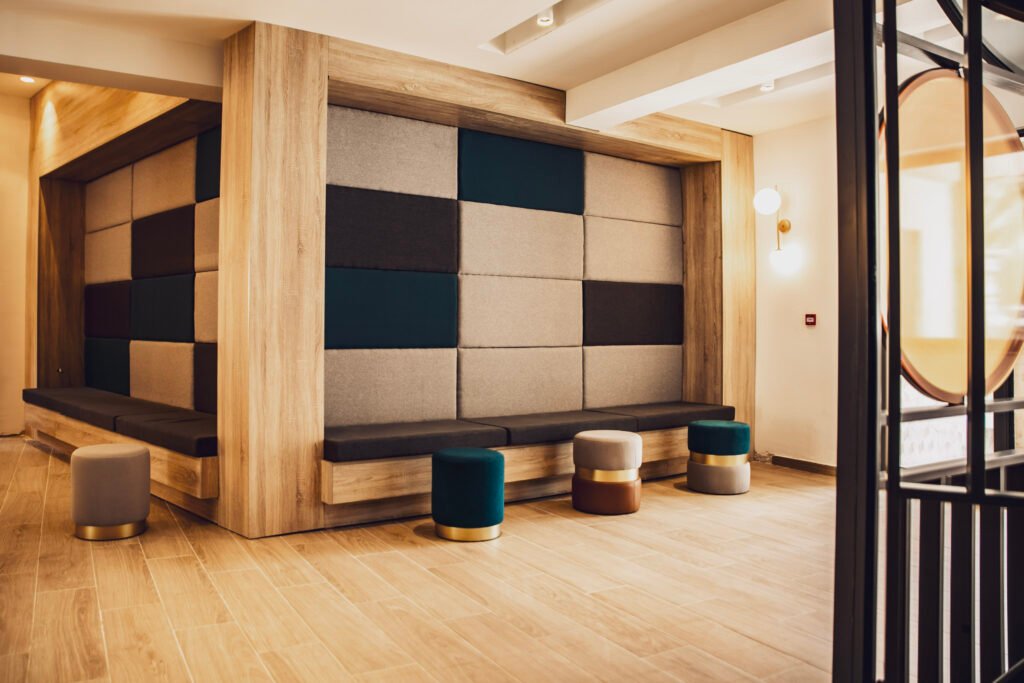
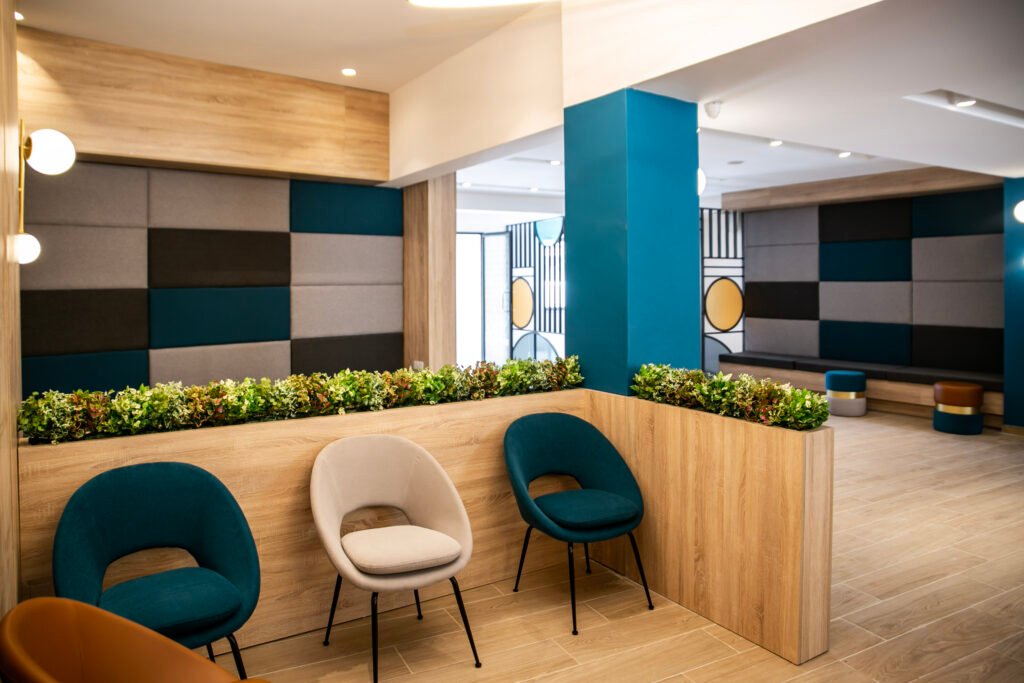
Language Connect is in a traditional Maltese villa in Swieqi, right next to St Julian’s, one of the liveliest and best-connected areas of Malta. This matters more than you might think.
You will find us at First Door, 128 Triq Is-Sirk, Swieqi SWQ 3210. See our location on Google Maps.
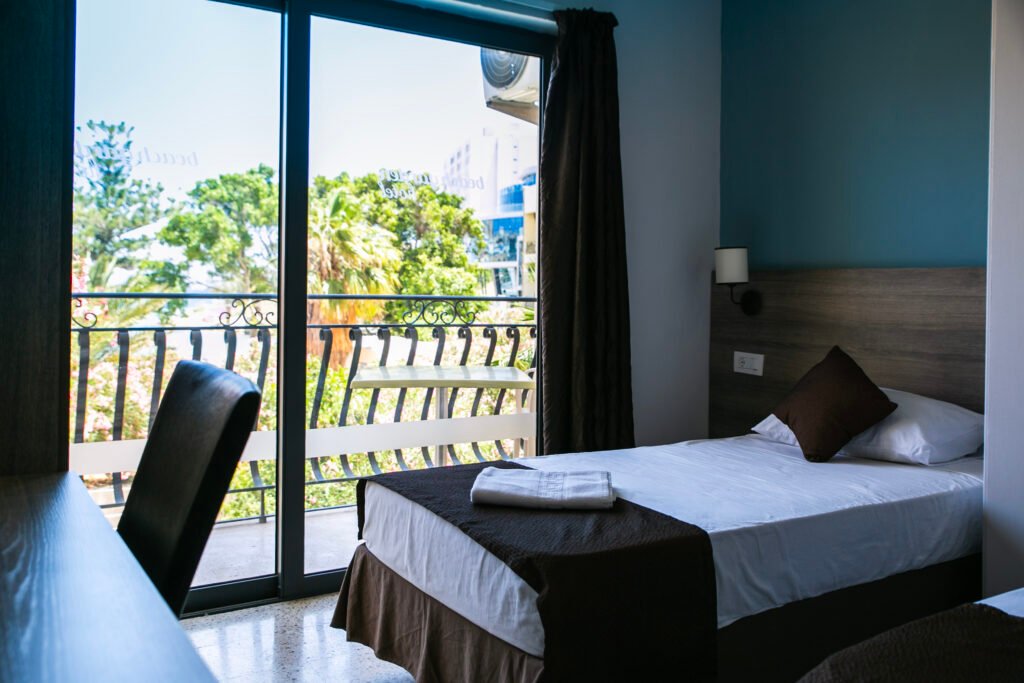
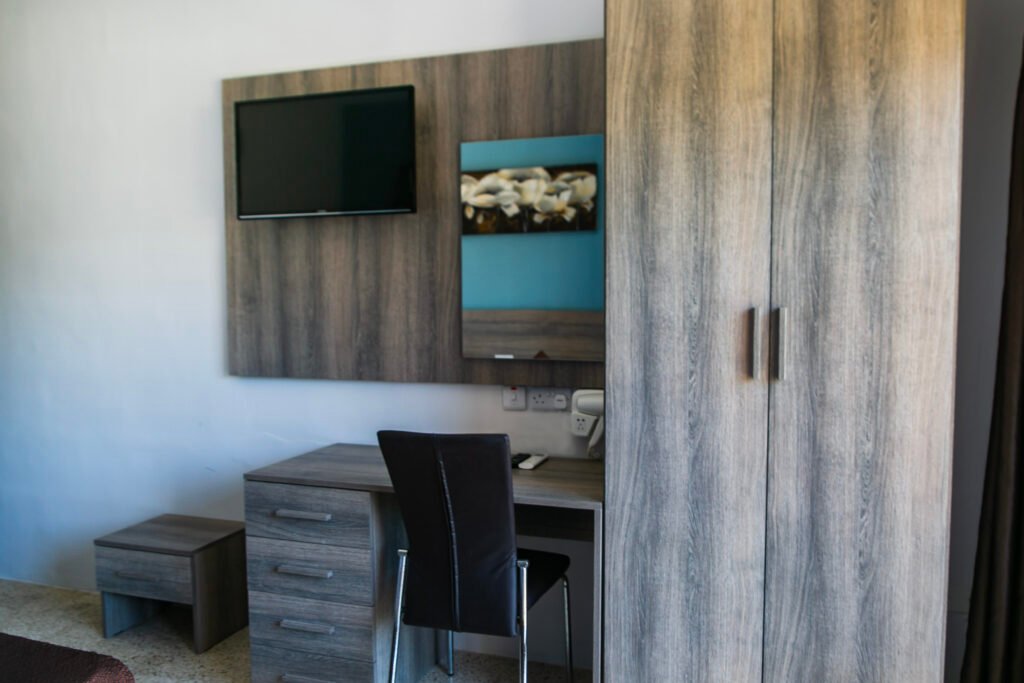
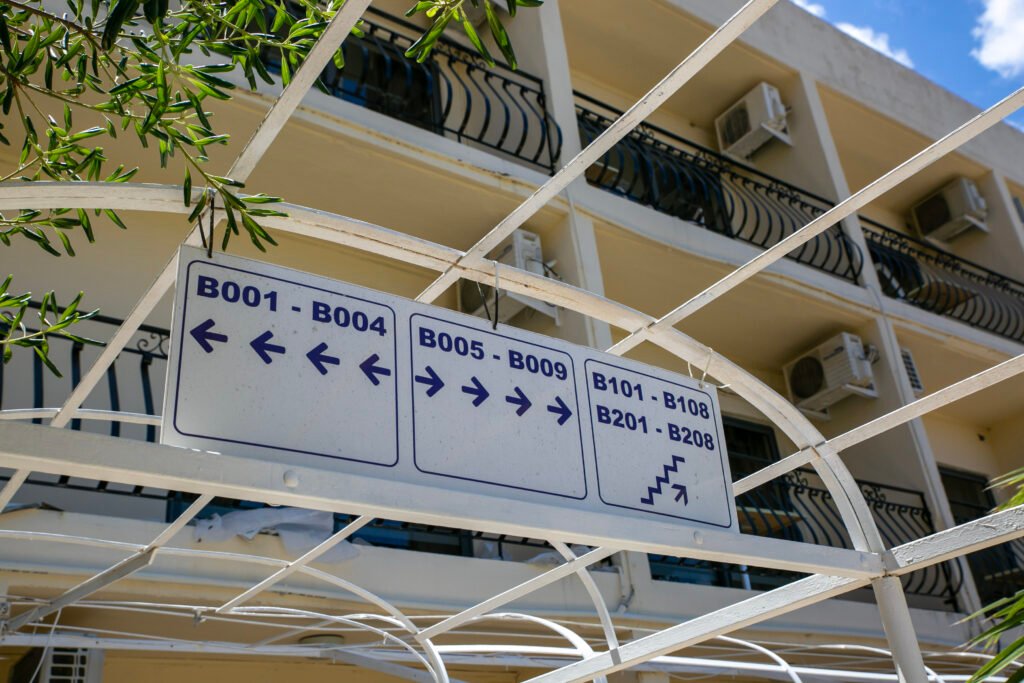
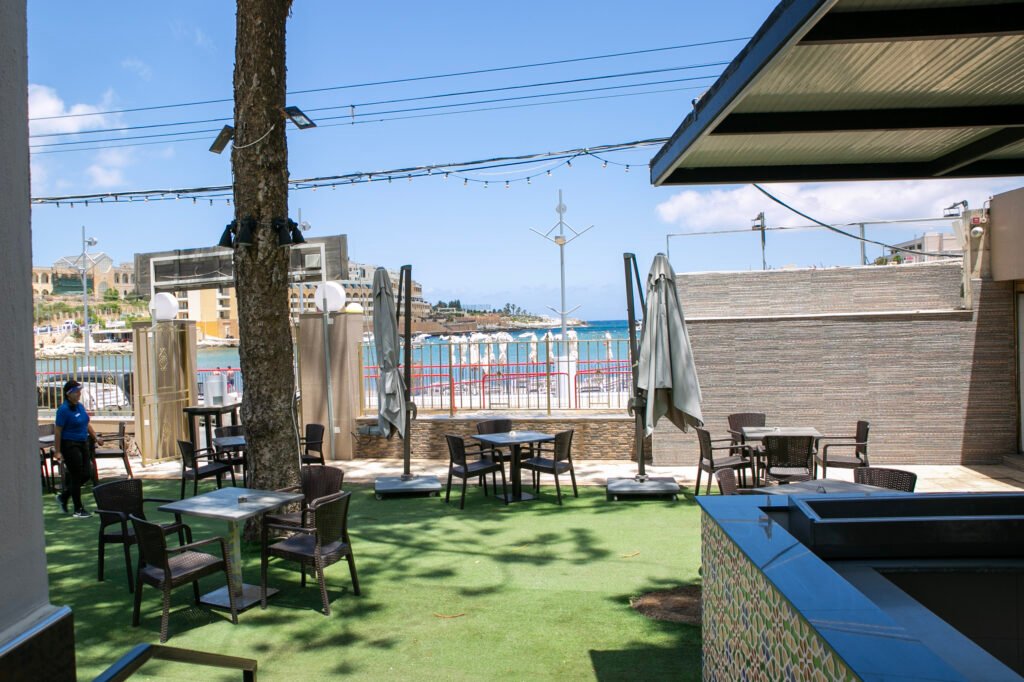
- In summer, the beach at St George’s Bay is a short walk away. Our LC School Residence is right in front of the bay, about 8 minutes on foot from school.
- In winter, everything you need is close: school, home, shops, cafes and restaurants. A rainy day is never a problem when you can walk everywhere.
- All year, St Julian’s, Spinola Bay, Paceville and Sliema are close by, and buses connect the area with Valletta and the rest of the island.
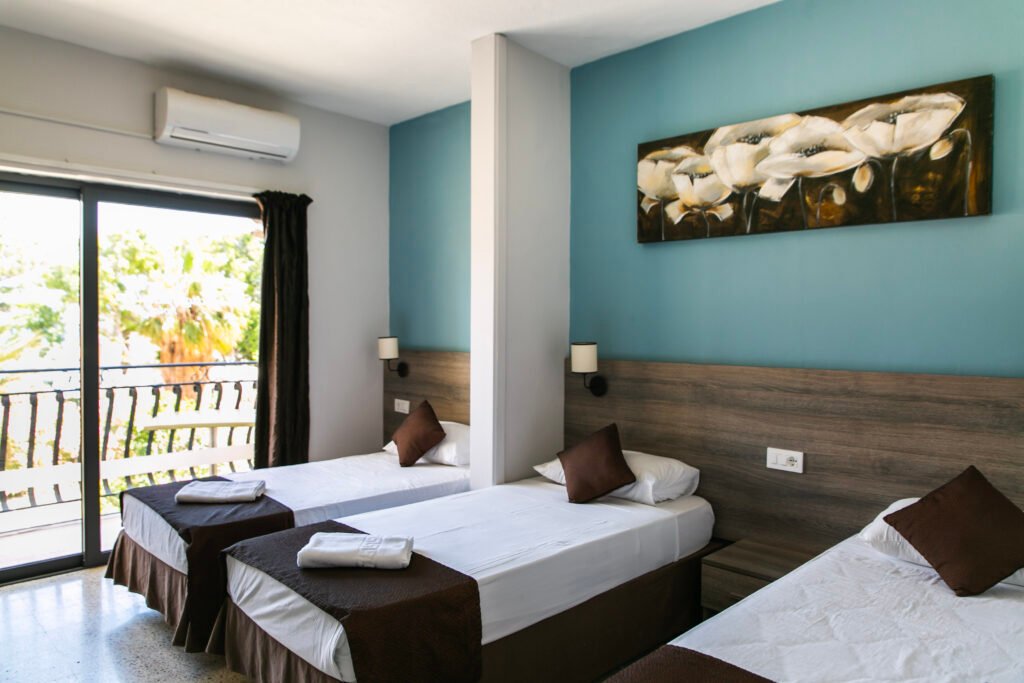
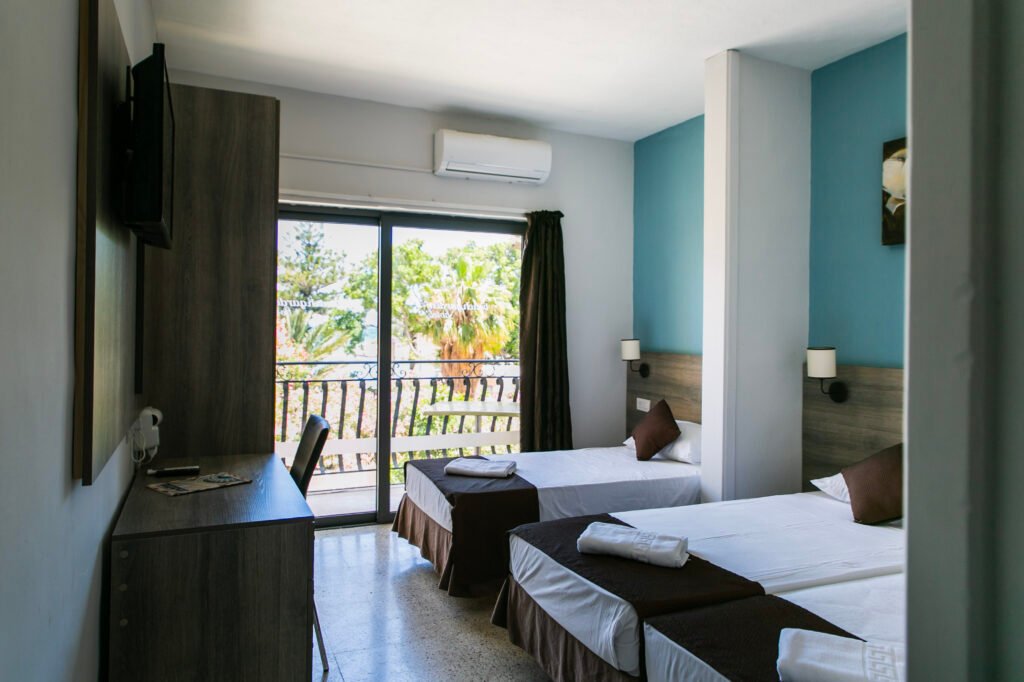
- Our shared apartments are in St Julian’s and Swieqi, about 5 to 20 minutes from school on foot.

So, which month should you choose?
- You want sun and the sea, and you do not mind crowds: June to August.
- You want warm weather, good prices and a calmer island: April, May, September or October.
- You want to save money or study seriously: November to March.
- You are coming with children or teenagers: Easter, summer or October, when our junior, young adult and family programmes run.
Whatever month you choose, the best time to study English in Malta is the time that fits your life. Our team will help you plan it. Message us on WhatsApp or use Build Your Experience to see your options today. We would love to welcome you to Swieqi!
Still choosing your course? Read our simple guide to the best English course in Malta.
Frequently asked questions
For most adults, May and October are the best months. The weather is warm, the sea is nice, and prices are lower than in July and August.
Usually November, January and February, when flights and accommodation are in low season. Avoid Christmas, New Year and Easter if you want the lowest prices.
It is hot, with days around 32°C. Many students study in the morning, rest in the hottest hours and go to the beach later in the day.
Yes. The sea is usually around 23°C to 24°C in October, and the beach season often lasts until the middle or end of the month.
Yes, if you want lower prices and fewer distractions. Days are mild, around 16°C, and you will meet more locals and long-stay students.